Class: QgsPaintEffectPropertiesWidget

A widget which modifies the properties of a QgsPaintEffect.
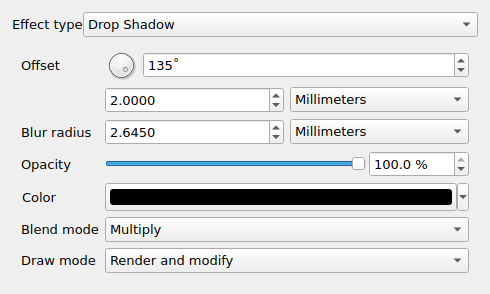
QgsPaintEffectPropertiesWidget

QgsPaintEffectPropertiesWidget

Class Hierarchy

Inheritance diagram of qgis.gui.QgsPaintEffectPropertiesWidget

Base classes

QWidget

QObject

QPaintDevice

class qgis.gui.QgsPaintEffectPropertiesWidget[source]

Bases: QWidget

__init__(effect: QgsPaintEffect | None, parent: QWidget | None = None)

QgsPaintEffectPropertiesWidget constructor

Parameters:
signal changeEffect[source]

pyqtSignal(*types, name: str = …, revision: int = …, arguments: Sequence = …) -> PYQT_SIGNAL

types is normally a sequence of individual types. Each type is either a type object or a string that is the name of a C++ type. Alternatively each type could itself be a sequence of types each describing a different overloaded signal. name is the optional C++ name of the signal. If it is not specified then the name of the class attribute that is bound to the signal is used. revision is the optional revision of the signal that is exported to QML. If it is not specified then 0 is used. arguments is the optional sequence of the names of the signal’s arguments.

signal changed[source]

pyqtSignal(*types, name: str = …, revision: int = …, arguments: Sequence = …) -> PYQT_SIGNAL

types is normally a sequence of individual types. Each type is either a type object or a string that is the name of a C++ type. Alternatively each type could itself be a sequence of types each describing a different overloaded signal. name is the optional C++ name of the signal. If it is not specified then the name of the class attribute that is bound to the signal is used. revision is the optional revision of the signal that is exported to QML. If it is not specified then 0 is used. arguments is the optional sequence of the names of the signal’s arguments.

effectTypeChanged(self)[source]

Update widget when effect type changes

emitSignalChanged(self)[source]

Emits the changed signal